
What is MES and Why Your Factory Needs It
In the complex world of modern manufacturing, there is often a disconnect between the top floor and the shop floor. The office runs on Enterprise Resource Planning (ERP) systems, managing orders, inventory, and finances. The factory floor runs on machines, operators, and production schedules. But what connects these two worlds?
The answer is a Manufacturing Execution System (MES).
The Missing Link in Manufacturing
Imagine a conductor trying to lead an orchestra from a different building, sending notes via mail. That's what running a factory without an MES can feel like. You have the plan (ERP), and you have the instruments (machines/workers), but you lack the real-time coordination to make music.
An MES acts as the bridge—or the "missing link"—between your planning systems and your actual production execution. It translates the what and when from your ERP into the how and now of the factory floor.
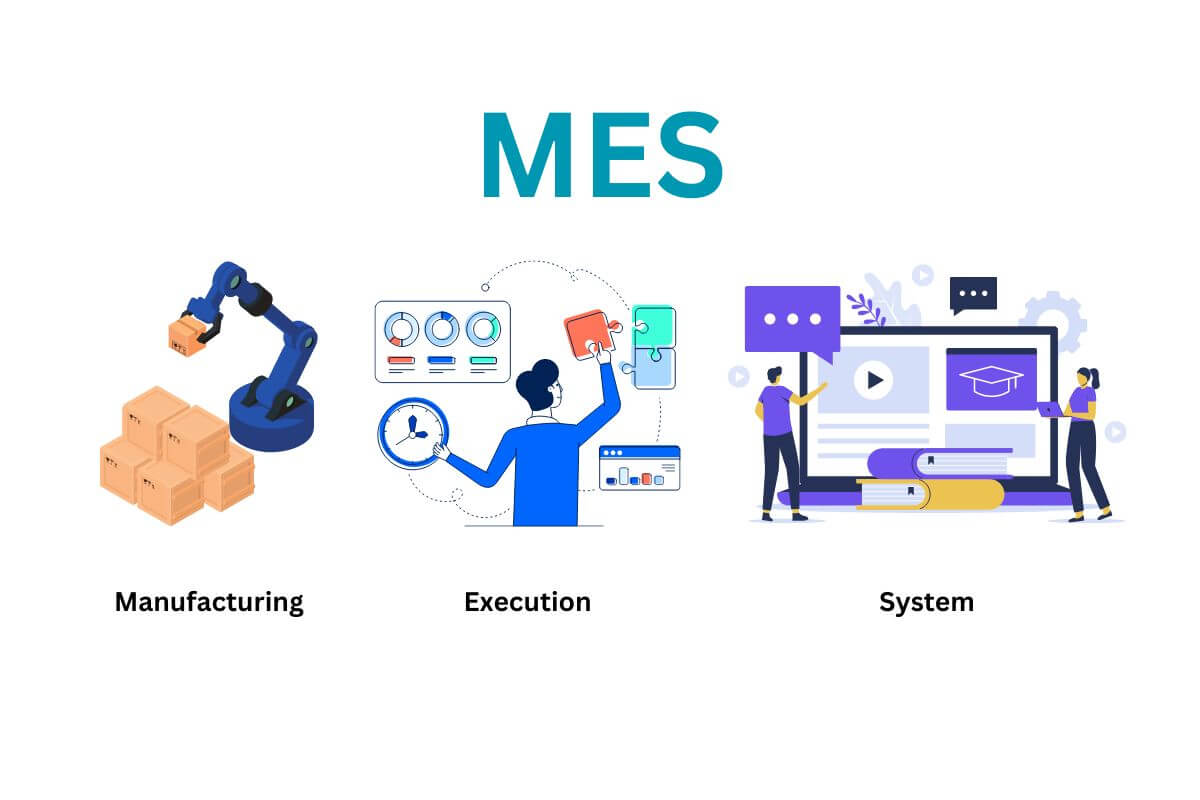 Figure 1: The MES Layer in the Manufacturing Technology Stack (ISA-95 Level 3)
Core Functions of an MES
According to the MESA International definition, an MES delivers information that enables the optimization of production activities from order launch to finished goods. But what does that actually look like in practice?
1. Real-Time Resource Management
An MES tracks every resource on your floor—machines, tools, materials, and people. It knows who is working on what, which machines are down, and where your raw materials are at any given second.
2. Detailed Scheduling and Dispatching
While ERPs plan in days or weeks, an MES plans in minutes and seconds. It sequences work orders based on real-time constraints, ensuring the right job is on the right machine at the right time.
3. Data Collection and Acquisition
Gone are the days of clipboards and paper travelers. An MES automatically collects data from machines (via IIoT/SCADA) and operators (via terminals/tablets), creating a "single source of truth" for production data.
4. Quality Management
Instead of catching defects at the end of the line, an MES enforces quality checks during the process. It can lock a machine if a measurement is out of spec or require an operator to sign off on a check before proceeding.
5. Performance Analysis (OEE)
You can't improve what you don't measure. An MES calculates Overall Equipment Effectiveness (OEE) in real-time, showing you exactly where you're losing productivity to downtime, speed loss, or quality issues.
Why Your Factory Needs an MES Now
If you're still running your production on spreadsheets and paper, you are leaving money on the table. Here is why investing in an MES is no longer optional for competitive manufacturers:
Visibility = Control
You cannot control what you cannot see. An MES gives you a "control tower" view of your factory. If a job is running late, you know immediately. If a machine goes down, maintenance is alerted instantly. This visibility allows you to be proactive rather than reactive.
Compliance and Traceability
For industries like aerospace, automotive, and medical devices, traceability is a legal requirement. An MES automatically records the "genealogy" of every part: which raw materials were used, who worked on it, what machine processed it, and when. This turns a potential recall nightmare into a manageable, targeted action.
Going Paperless
Paper is slow, error-prone, and static. An MES digitizes your work instructions, travelers, and checklists. This ensures operators always have the latest version of a document and eliminates manual data entry errors.
The Foundation for Industry 4.0
You can't have a "Smart Factory" without data. An MES provides the structured, contextualized data foundation required for advanced technologies like AI, machine learning, and predictive maintenance.
Conclusion
A Manufacturing Execution System is more than just software; it's the nervous system of your factory. It connects the brain (ERP) to the muscles (machines), ensuring that every movement is coordinated, efficient, and purposeful.
As manufacturing becomes faster and more complex, the gap between planning and execution widens. An MES bridges that gap, turning your shop floor into a transparent, data-driven engine of growth.
Ready to take control of your shop floor? Contact us to learn how TAKT ERP's built-in MES capabilities can transform your operations.